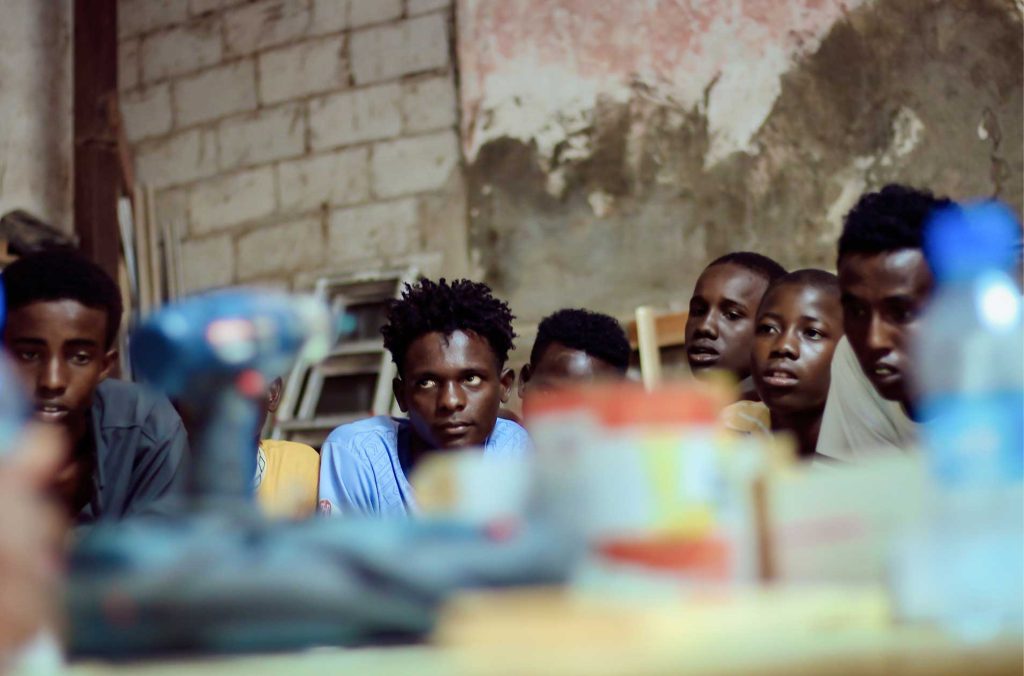
Imagine a place where trauma counseling, climate-smart agriculture training, renewable energy education, and community reconciliation happen under one roof. Where children learn emotional regulation while their parents develop green businesses. Where traditional healers work alongside certified counselors to address both individual trauma and collective wounds.
This isn’t imagination—it’s the Peace Hub model that’s revolutionizing how we think about community development.
For too long, development has operated in silos: mental health here, livelihoods there, reconciliation elsewhere. This fragmented approach consistently fails because human challenges are interconnected. Trauma affects work capacity. Environmental degradation worsens mental health. Social conflict undermines economic development.
Peace Hubs represent a fundamental shift—comprehensive community centers designed around the understanding that sustainable development requires addressing multiple challenges simultaneously.
The Vision Made Real
Each Peace Hub, designed by MASS Design Group and Adaptiv, integrates:
Mental Health Services:
- Individual and group counseling rooms
- Family therapy spaces for intergenerational healing
- Crisis intervention facilities with 24/7 access
- Telemedicine facilities connecting to specialists globally
- Training rooms for the next generation of counselors
Skills Development Areas:
- Digital classrooms for technology education
- Workshop spaces for renewable energy training
- Climate-smart agriculture demonstration sites
- Business incubation facilities for green entrepreneurs
Community Healing Spaces:
- Gathering areas for collective trauma processing
- Reconciliation dialogue venues for conflict resolution
- Recreational therapy spaces with traditional games
- Community kitchens for nutrition programs and healing meals
- Sacred spaces honoring cultural and spiritual practices
Sustainable Infrastructure:
- Solar power systems demonstrating renewable energy
- Water conservation technology and rainwater harvesting
- Permaculture gardens showcasing climate adaptation
- Revenue-generating social enterprises for long-term sustainability
Collective Healing: Addressing Community-Wide Trauma
Ahmed’s Community Support Story: This 30-year-old father of eight participated in our community support group sessions, learning about mental health and conflict resolution techniques. When he encountered Jamal, struggling with addiction after job loss, Ahmed didn’t just offer sympathy—he took action.
Ahmed brought Jamal to a safe space for open conversation, then connected him with our section leader for professional help. Jamal was admitted to a local hospital for comprehensive treatment. “Without these sessions, I wouldn’t have met Jamal or been able to help him find the support he needed,” Ahmed reflects.
This exemplifies collective healing—communities developing capacity to identify, support, and heal trauma together.
Addressing Root Causes: The Integrated Approach
Traditional development assumes communities are ready to absorb interventions. Peace Hubs recognize that in conflict-affected, climate-shocked regions, communities need healing before they can effectively engage in development.
Individual-Level Trauma Creates:
- Cognitive difficulties: impaired concentration and memory
- Interpersonal challenges: difficulty trusting others
- Decision-making impairment: poor impulse control
- Emotional dysregulation: anxiety, depression, mood swings
Community-Level Trauma Causes:
- Eroded social cohesion and breakdown of trust
- Economic stagnation and reduced productivity
- Weakened governance and reduced participation
- Intergenerational transmission of trauma patterns
Peace Hubs address both levels simultaneously.
The Synergy Effect: Why Integration Works
Anfac Ali Hassan’s Journey: This 23-year-old widow lost her husband in fighting between Al-Shabaab and government forces, then lost their farm to drought. Arriving in Kismayo with a small child, she “was afraid of making friends and had trust issues.”
Initially, Anfac had no concept of mental health. Through our integrated programming at what became a Peace Hub model, she learned:
- Mental health concepts and coping strategies
- Networking and relationship-building skills
- Job hunting techniques and interview preparation
- Community awareness and advocacy methods
Today, Anfac works as a domestic worker after attending group counseling sessions, and “started to raise awareness on mental health in the community.” The training center became “a safe space” that helped her heal trauma while building practical skills.
Economic Sustainability by Design
Peace Hubs aren’t dependent on perpetual funding:
Revenue Generation:
- Agricultural demonstrations generating food sales
- Renewable energy installations reducing operating costs
- Business incubation creating successful enterprises
- Training programs attracting fee-paying participants
Community Ownership:
- Local management committees governing operations
- Trained counselors generating income through services
- Skilled graduates establishing related businesses
- Community members maintaining infrastructure
The Global Model: Replication Framework
Peace Hubs offer a tested blueprint for addressing complex, interconnected challenges:
Phase 1: Foundation Setting
- Community assessment and stakeholder engagement
- Site selection and design adaptation
- Initial workforce training and capacity building
Phase 2: Infrastructure Development
- Construction using local labor and materials
- Technology installation and testing
- Program development and community orientation
Phase 3: Program Integration
- Mental health services launch
- Skills training program implementation
- Community healing initiatives activation
Phase 4: Sustainability Transition
- Revenue generation activation
- Community ownership transfer
- Monitoring and evaluation systems establishment
Looking Forward: The First Peace Hub
Our inaugural Peace Hub breaks ground soon, representing years of learning from integrated programming. It will serve as:
- Demonstration site for the model’s effectiveness
- Training center for Peace Hub replication
- Research facility for ongoing innovation
- Community anchor for healing and development
For partners ready to invest in truly transformative infrastructure, Peace Hubs represent the future of development—where healing individual minds and building collective capacity create the foundation for lasting prosperity.