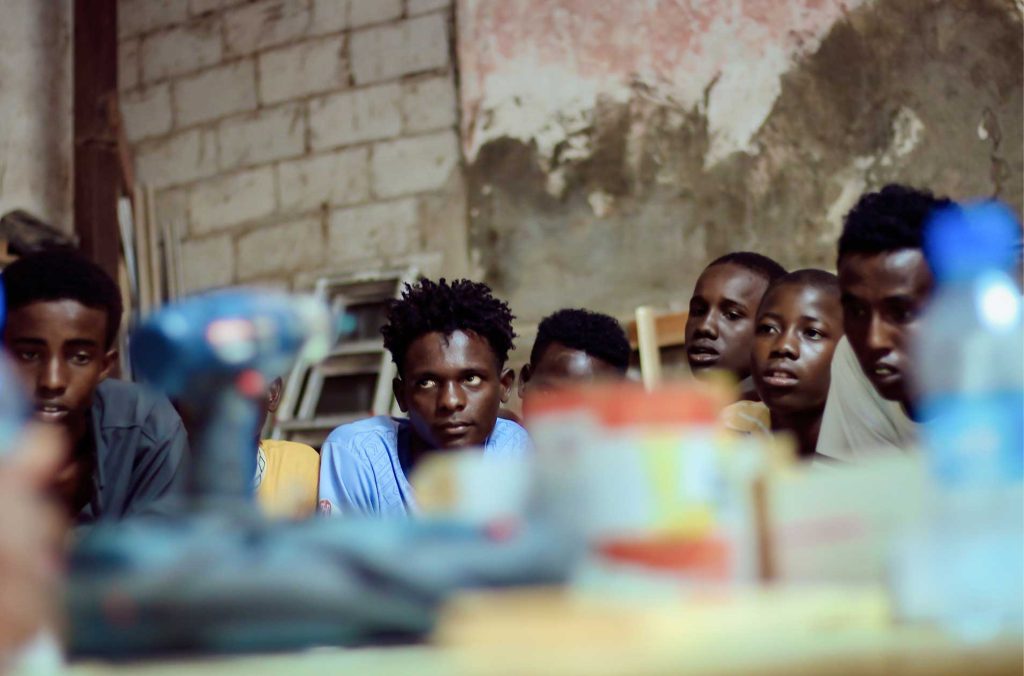
In regions where psychiatrists are non-existent and mental health workers number 2 per 100,000 people, Iftin Global has created something unprecedented: a sustainable, scalable model that transforms community members into certified mental health professionals.
When Ahmed Mohamed arrived at our training center in Kismayo, Somalia, he was a 24-year-old with no job prospects and no understanding of mental health beyond thinking it meant “crazy people.” Today, he’s one of 79 certified counselors providing professional mental health services to thousands of people across Somalia—and training others to do the same.
The Crisis That Demanded Innovation
The numbers are staggering: globally, 75-85% of people with mental disorders in low-income countries receive no treatment. In Somalia, after decades of conflict, the need is even more acute. We discovered that 78% of our program participants showed signs of depression and 68% experienced anxiety severe enough to prevent them from working or studying.
Traditional mental health models requiring psychiatrists and psychologists simply don’t work where these professionals don’t exist. We needed a different approach.
Our Breakthrough: The Tiered Training System
Clinical Counselors (2-Year Diploma Program): Our flagship program has produced 79 clinical counselors who provide comprehensive mental health services. Like Hassan Abdi Mohamed, a 24-year-old farmer’s son who lost his father at age 10. After completing our program, Hassan not only manages his own mental health but has become a trusted counselor in his community, helping peers through breakups, family conflicts, and trauma recovery.
The rigorous curriculum combines:
- Evidence-based therapeutic techniques
- Cultural adaptation methodologies
- Trauma-informed care practices
- Supervised clinical experience
- Ongoing professional development
Community-Level Training:
- 230 community leaders trained in mental health awareness
- 5,175 children equipped with emotional regulation skills
Real Impact: The Stories That Matter
Sadam’s Transformation: This 23-year-old trainee from Somalia now provides daily counseling to his friend Abdi, whose parents died in the civil war. Using skills learned from Iftin, Sadam helped Abdi overcome educational failures and depression, supporting him to start a successful shoe-polishing business. “The path to glory is always hard,” Sadam reflects, “but we don’t walk it alone.”
Teacher Mohamed Abdi’s Innovation: After completing our training, this school teacher immediately applied psychological support techniques when he noticed a student’s week-long absence following his grandmother’s death. Working with our paraprofessionals, Mohamed provided trauma-informed support that helped the child process grief and return to learning.
The Economics of Hope
Our model doesn’t just work clinically—it’s economically revolutionary:
- Professional trauma healing at $2.50-$4.15 per session vs $85-170 for global models
- Each counselor can reach up to 100 clients monthly (in group and individual sessions) while maintaining quality
- 4.37x return on investment when integrated with development programs
- Self-sustaining local workforce that continues serving long after programs end
Quality Assurance Through Innovation
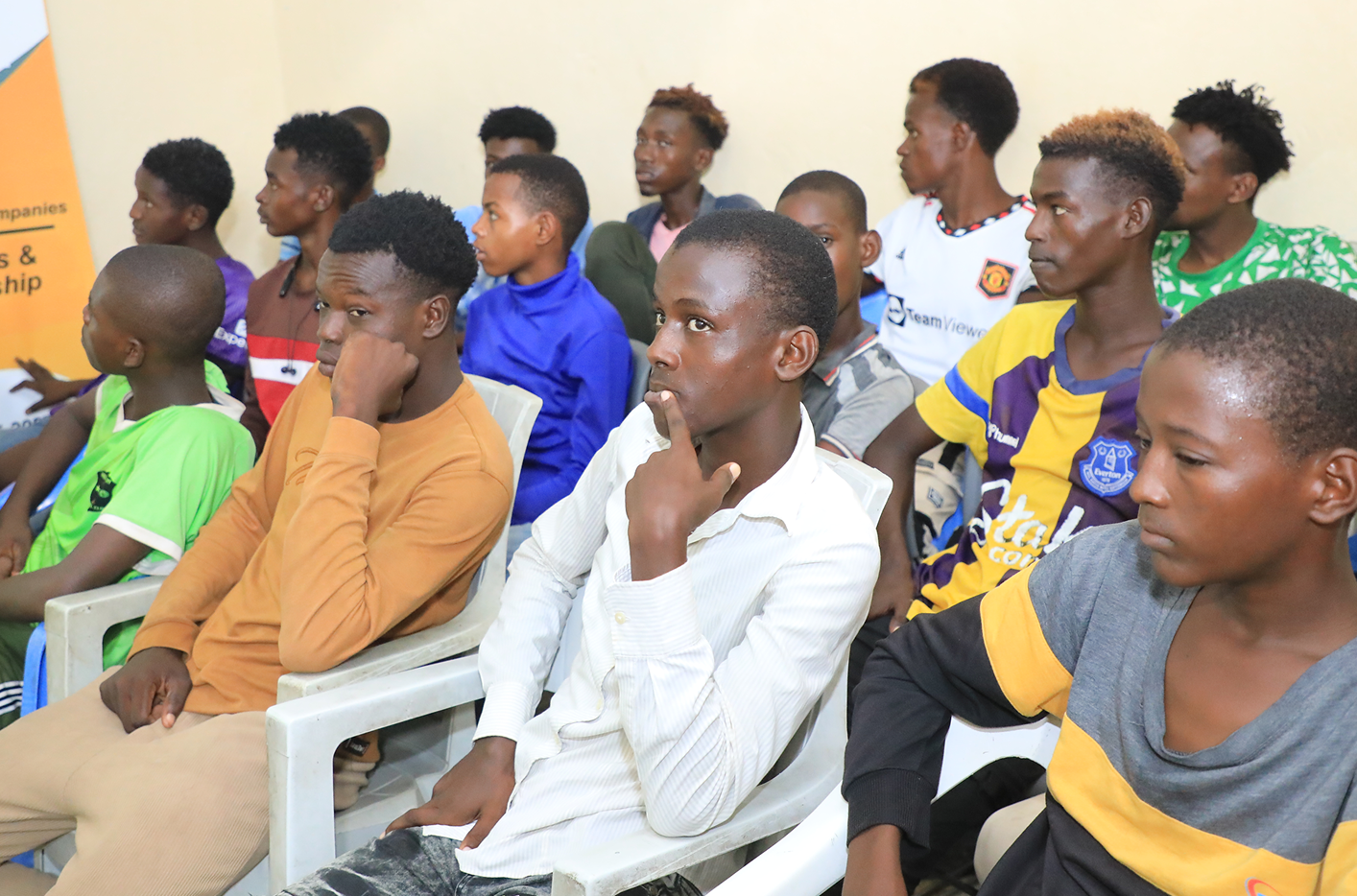
Telemedicine Networks: We connect community-based counselors with senior clinicians and psychiatrists, ensuring quality care reaches even remote areas while providing ongoing supervision and specialist consultation.
Measurable Outcomes:
- 98% improved emotional regulation among clients
- 65% reduction in severe depression rates
- 60% reduction in severe anxiety levels
- 100% employment retention for participants receiving integrated support
The Replication Blueprint
Our model offers a tested framework adaptable anywhere:
- Community Assessment: Understand local mental health needs and cultural practices
- Stakeholder Engagement: Partner with traditional healers, religious leaders, and community structures
- Tiered Implementation: Start with clinical counselors, expand to community levels
- Technology Integration: Establish telemedicine networks for supervision and quality assurance
- Program Integration: Embed mental health support into existing development initiatives
- Sustainability Planning: Create local ownership structures and revenue streams
Global Relevance, Local Impact
With 2+ billion people living in conflict-affected, climate-shocked regions, our model addresses a crisis of unprecedented scale. We’ve proven that professional mental health care is possible anywhere—even in the most resource-limited settings.
For donors seeking transformative impact, our workforce development model offers the rare combination of clinical effectiveness, economic efficiency, and infinite scalability.